

10 tips for warm winter adventures
There is nothing like going out on a long walk during a cold winter day. Who knows, maybe even on a multi-day adventure. Then you do want to stay warm. These tips will get you a long way and the enjoyment can begin.
1. Dress in layers
Dress to impress. Dress in airy layers. Thus, the layers of clothing hold more air. That air insulates. It is also easier to ventilate this way. When you move you sweat. Also in winter. And that sweat, you want to get rid of it. By putting on multiple layers, you can easily take off a layer without getting cold. When considering layers, think of a base layer for on your body. An insulation layer such as a fleece and a hardshell outer layer to keep the wind out.
Pro tip: Cotton holds a lot of moisture. So leave that at home
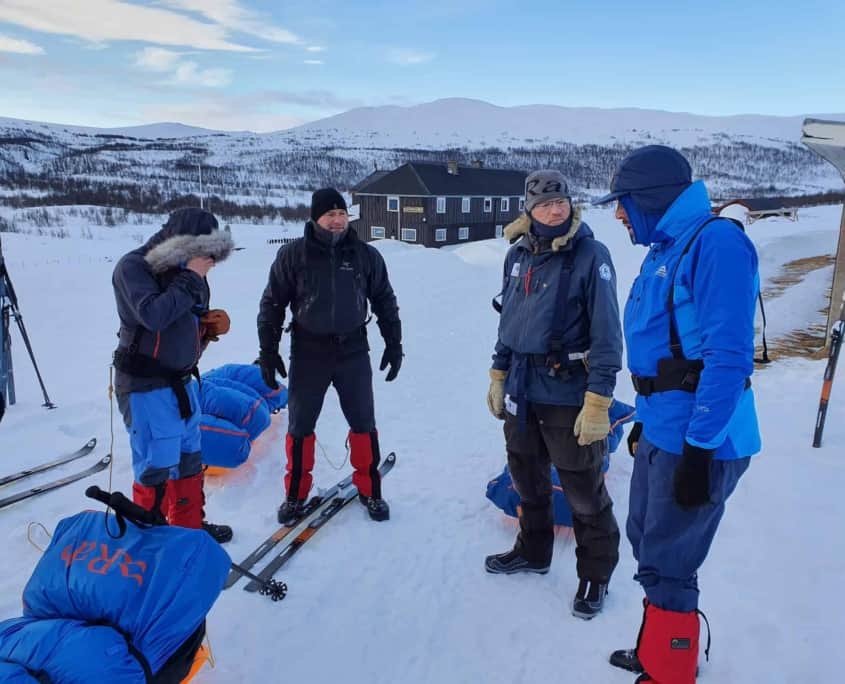
A hardshell jacket retains heat well
2. Warm hands in mittens
The best way to keep your hands warm is in mittens. The advantage of mittens is that your fingers are together. Each finger individually helps to keep the other fingers warm.
A good system is a woolen mitt with a windproof mitt over it. That way you have two mittens on, which you can also wear separately when it gets warmer. Hold your ski poles slightly lower than your elbow. This way the blood flows more easily to your fingers. Take off rings. These pinch off blood vessels a bit which does not help blood flow.
Pro tip: Attach a string to your mittens and put it behind your neck. Never a lost mitten again.
3. Food and drink. Lots, often and nutritiously
Your body burns calories to stay warm, so snacking keeps your internal furnace constantly running. Spread your meal times throughout the day. For example, take a break every hour and then eat and drink something. Ideally, eat a good mix of fast and slow sugars and fats. Nuts are ideal and do not freeze. Drinking is just as important. The cold makes your blood vessels constrict and you have to urinate more often. Your fluid balance should be replenished by drinking regularly. Preferably warm.
Pro tip: Does that drinking make you pee in the middle of the night? Get out right away and take care of that.

Eating and drinking a lot in the cold is important
4. Cover metal parts of the thermos
Metal conducts heat very well. So when you grab something made of metal, it feels cold. Therefore, in winter, a lot of heat is lost through the touch of metal objects. So always work with gloves on whenever possible. A good way to prevent contact with the metal of your thermos is to wrap it in duct tape.
Pro tip: Stick matches under the duct tape. That way you can get a better grip on the thermos with your gloves.
5. Take off sweaty clothes (pack an extra base layer)
Once camp is set up and you are ready to settle in for the evening, remove your sweaty underlayment as quickly as possible. Not a very fun job to undress. But it benefits your warmth. Do take those wet clothes with you in the sleeping bag. That is the only place where it dries overnight.
Pro tip: Stay comfortably cold during the day. This way, you will hardly sweat and you won’t have to change your clothes either.
6. Make a good sleep system
Your sleep is important. To achieve that, you want to be warm. Get a double mattress. Put an ordinary insulation mat on the bottom and an inflatable mat on top of that. The R-Value (thermal resistance) of this combo is more than the R-Value of the mats added together.
On the mat you place your sleeping bag. Do this after cooking to prevent moist air from cooking from soaking into your sleeping bag. Inside the sleeping bag put another sheet bag for just those few extra degrees of comfort.
Pro tip: Put your down jacket zipped up and upside down in your sleeping bag by your feet. Put your feet in here for that little extra comfort.

Good sleeping system with sleeping bag, mat and sheet bag.
7. Ventilate your tent
It may sound contradictory, but airflow in your tent is important during winter. As you breathe, you release moist vapor into the tent. When those water droplets hit the cold tent fabric, they collect as condensation that freezes. By opening your tent’s vents slightly, you will avoid waking up in an icebox with ice that will melt, leaving you wet and miserable.
Pro tip: Take a cloth with you into the tent. This allows you to quickly remove the frost from the inner cloth.
8. Carry a hot water bottle in your sleeping bag.
Wonderful such a jug. Put hot water in a 1-liter Nalgene bottle. Close tightly and carry in your sleeping bag. Make sure your bottle is in a sock or something similar. You don’t want the heat directly on your body because of burns. The best place for the pitcher is at your groin. This is where large blood vessels run that can transport heat well.
Pro tip: Warm your pitcher water in the morning for a while and you’ll have quick water for breakfast.
9. Put on a balaclava when you sleep.
A lot of heat is lost through your head. This is annoying when you are snug in your sleeping bag. Your head is often the only thing that comes out of the sleeping bag then. Tighten the shoulder cord in your sleeping bag securely. Next, the hood cord. This way you have the least chance of heat loss from the sleeping bag. Put on a balaclava when you go to sleep. This, unlike a hat, cannot slip off during the night. This way, the least amount of heat is lost.
Pro tip: Breathe outside your sleeping bag. This prevents moisture from getting into your sleeping bag that gets cold.
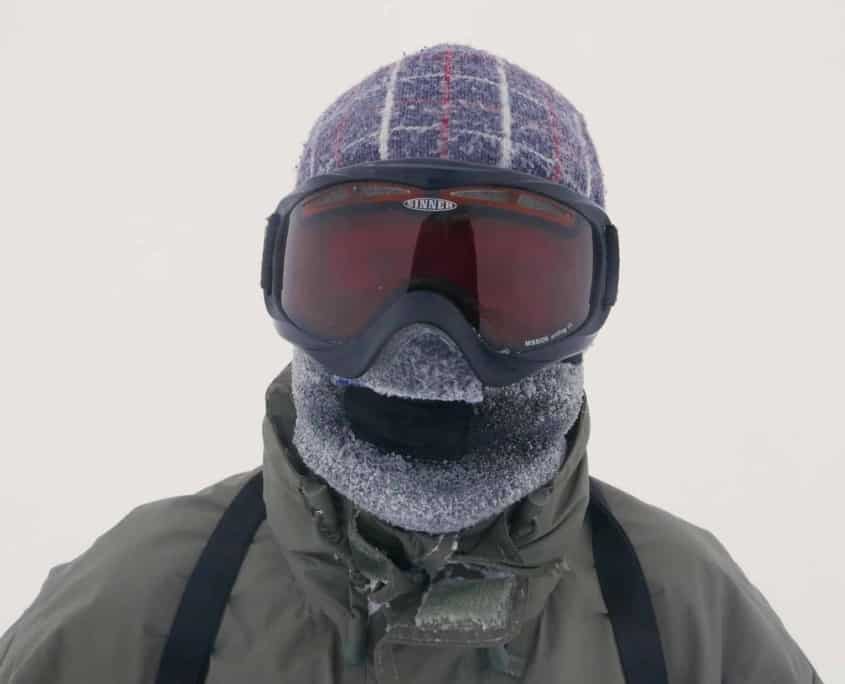
Wearing balaclava during cold days
10. Be prepared train for fitness
A little fitness will get you a long way. Winter trips become more fun when your fitness is in order. You don’t have to be a top athlete, but regular exercise works wonders. With good fitness, you need less effort and also sweat less. This saves damp and clammy clothes and so you stay warmer.
Pro tip: Train together. That’s sometimes that extra stick for when you don’t feel like it.




 Facebook
 Instagram
 Pinterest
 LinkedIn
 YouTube
 WhatsApp
 Arctic Adventure Happenings



Leave a Reply
Want to join the discussion?Feel free to contribute!